Navigating the AI Revolution: Opportunities & Challenges
Introduction: Charting the AI Landscape
As Artificial Intelligence (AI) revolutionizes industries, the world's eyes are wide open to both its promises and pitfalls. With opportunities as vast as the sea and challenges steeper than a mountain face, grasping what's at stake is crucial as we venture deeper into this brave new frontier of our collective future.
Advertisement
Opportunities: Unleashing AI's Hidden Gems
AI promises an era where daily life and business operations seamlessly integrate smart solutions. From optimizing supply chains in megacorporations to personalizing online shopping experiences for you, AI is widening the horizon for efficiency across the board. Imagine a healthcare system where AI detects anomalies in medical scans, slashing misdiagnosis rates and delivering swift solutions. The potential seems boundless.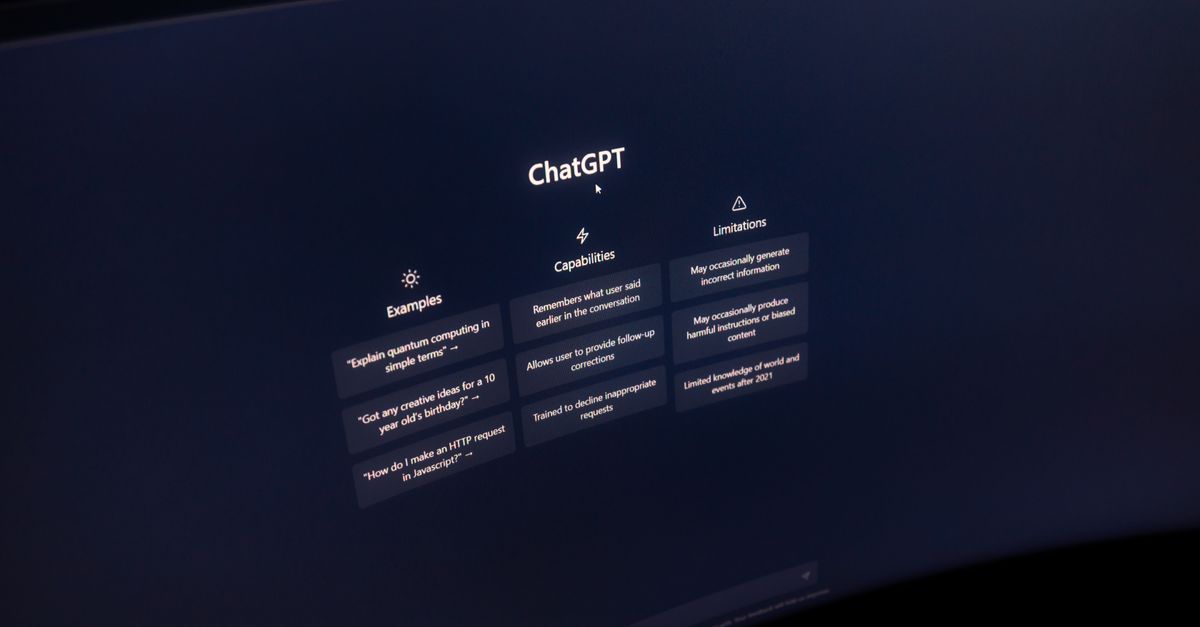
Advertisement
AI in Education: Personalized Pathways
Education is witnessing a paradigm shift with AI offering personalized learning experiences. Adaptive learning platforms cater to individual student needs—like having a digital tutor who understands your quirks and strengths. By analyzing past performance and predicting future challenges, AI crafts unique roadmaps, enhancing the educational expedition for learners worldwide.
Advertisement
Industrial Revolution 4.0: A Symphony of Automation
Automation, powered by AI, is revolutionizing how industries work, marking the onset of the 4th Industrial Revolution. Smart factories wield robotic arms and AI algorithms to perfect production lines with minimal human supervision. As factories achieve new precision levels while cutting down waste, they pave the path to a more sustainable future—industrial orchestration at its finest.
Advertisement
Challenges: Navigating Stormy AI Waters
Yet, amidst these burgeoning possibilities lies an uncharted terrain of challenges. Ethical dilemmas loom large as we question AI's accountability. Imagine giving a robot the power to decide who gets what treatment in a hospital queue. It's crucial to address concerns about privacy, biases in algorithms, and the possibility of human jobs becoming redundant in an AI-driven world.
Advertisement
Protecting Privacy: Balancing Act of Data Use
As AI systems thrive on data, issues surrounding privacy have grown. Finding the balance between data utilization and privacy remains an ongoing debate. Embracing transparent AI systems is vital to ensuring users feel confident that their information isn't being misused. Regulations and robust security measures are imperative as data becomes AI's lifeblood.
Advertisement
AI and Employment: Recalibrating the Workforce
The automation wave poses profound questions about the future of work. While AI can replace mundane tasks, it simultaneously opens gateways to jobs in AI technology development, oversight, and maintenance. Reskilling and upskilling the workforce will hold the key for society to transition smoothly into an AI-driven paradigm, thus creating an ecosystem where man and machine coalesce harmoniously.
Advertisement
Conclusion: The Horizon Ahead
As we stand on the brink of an AI-driven era, it's evident that the potential benefits are as enormous as the challenges we need to overcome. By navigating this revolution with informed decisions and moral fortitude, we can aspire to harness a collective future where the promises of AI are fully realized. Balancing opportunity with ethical consciousness is imperative as we move forward.
Advertisement